
Best Salt for Health in 2026: Celtic Sea Salt vs. Redmond Real Salt vs. Himalayan Salt
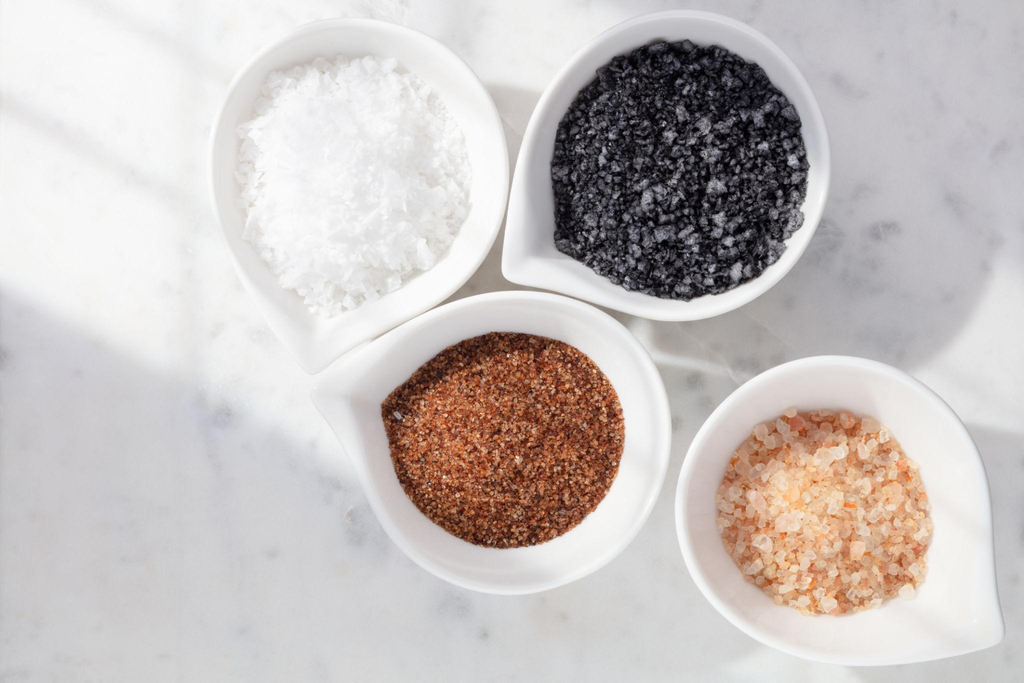
Which salt should you keep in your kitchen? Discover the differences between popular natural salts and learn what really matters for your health.
Salt is one of the most common ingredients in our kitchens. It enhances flavor, helps preserve food, and supplies sodium, an essential mineral that supports important functions in the body.
But with so many options available today, choosing the right salt can feel confusing.
Celtic Sea Salt, Redmond Real Salt, and Himalayan Pink Salt are often marketed as natural alternatives to traditional table salt. Some people choose them for their mineral content, while others prefer their taste, texture, or minimal processing.
So, is one type of salt actually healthier than another?
At OC Healthy Living, we believe understanding what goes into your food is an important part of making informed nutritional decisions.
Let’s explore what makes these salts different.
1. Why Does Salt Matter for Your Health?
Your body needs sodium to maintain fluid balance and support normal nerve and muscle function.
However, consuming too much sodium can contribute to high blood pressure and increase the risk of cardiovascular disease.
According to the U.S. Food and Drug Administration, adults and teens should generally consume less than 2,300 milligrams of sodium per day.
That’s approximately the amount found in one teaspoon of regular table salt.
Importantly, most dietary sodium comes from packaged, prepared, and restaurant foods—not just the salt shaker.
The key isn’t simply choosing a particular type of salt. It’s understanding how much sodium you consume overall.
2. Celtic Sea Salt: Natural Texture and Trace Minerals
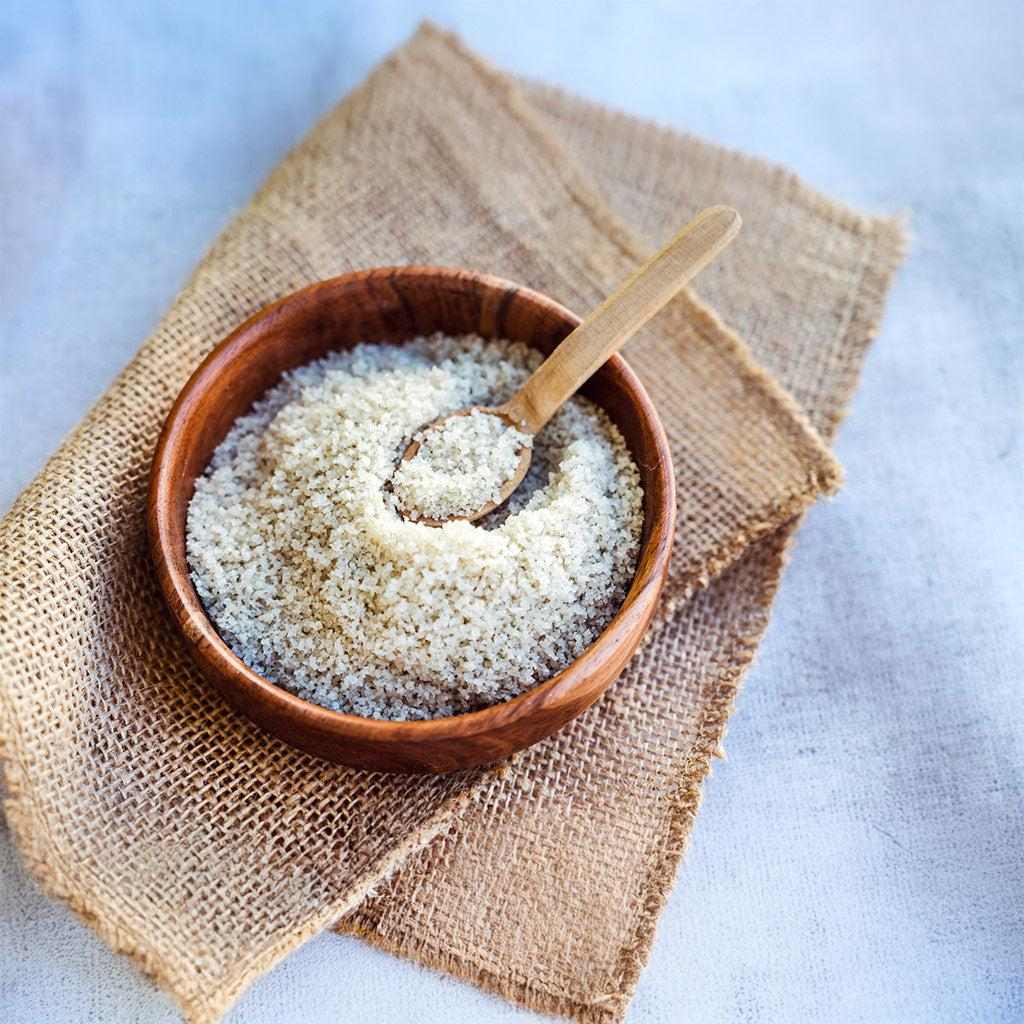
Celtic Sea Salt is an unrefined sea salt traditionally harvested through seawater evaporation.
One of its most recognizable features is its slightly gray appearance and naturally moist texture.
What makes it different?
- Minimally processed varieties retain naturally occurring trace minerals.
- It may contain magnesium, potassium, and calcium in small amounts.
- Its moist crystals provide a distinctive texture.
- It offers a briny flavor that works well in many dishes.
Is Celtic Sea Salt healthier?
Although Celtic Sea Salt contains trace minerals, the quantities consumed through normal salt use are generally too small to make it a meaningful source of essential nutrients.
It also contains sodium, so portion control remains important.
Best for: People who enjoy traditional sea salt, moist crystals, and a distinctive finishing texture.
3. Redmond Real Salt: Unrefined Salt from Utah
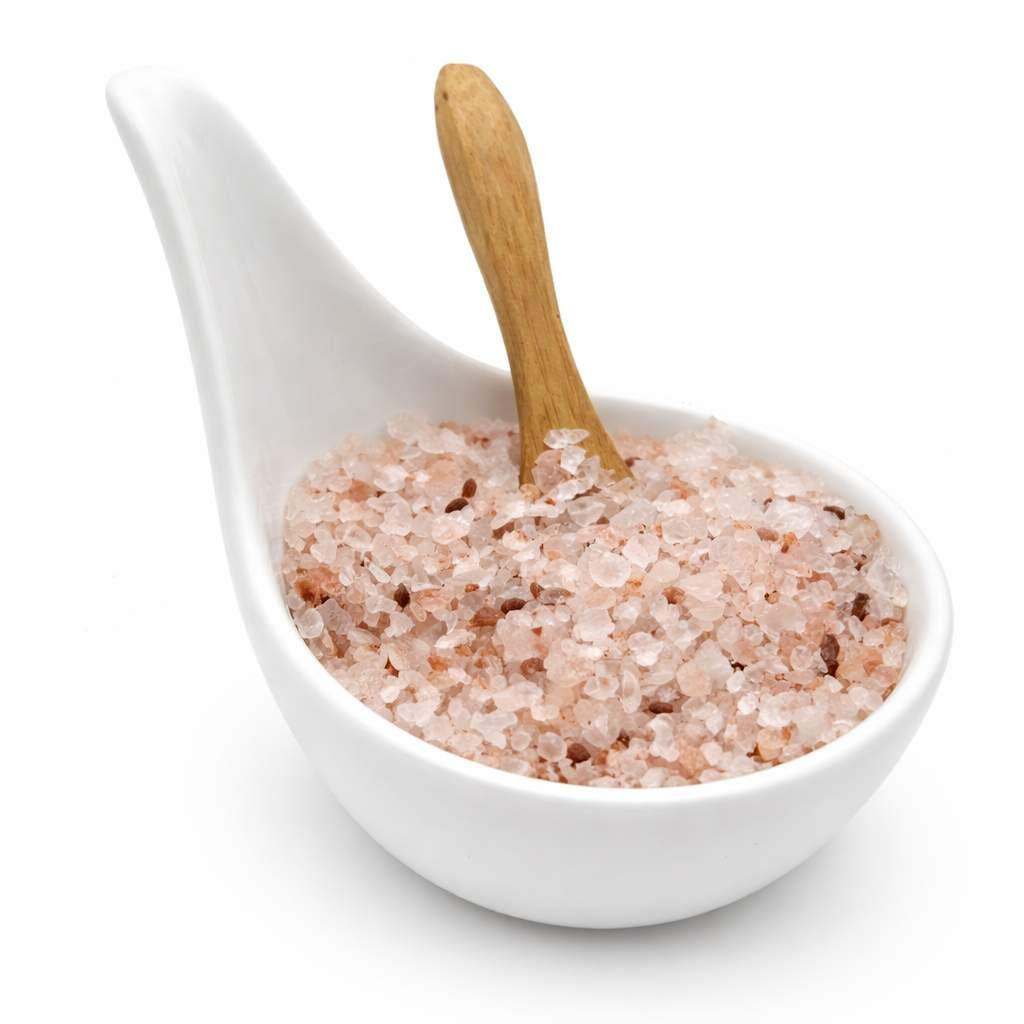
Redmond Real Salt is an unrefined salt sourced from an ancient underground salt deposit in Utah.
Unlike salts harvested from modern seawater, Redmond Real Salt comes from a geological deposit formed long ago.
What makes it different?
- It is minimally processed.
- It contains naturally occurring trace minerals.
- Its crystals have a subtle pinkish appearance.
- It is available in different grain sizes for cooking and seasoning.
Is Redmond Real Salt a good choice?
Redmond Real Salt can be an appealing option for those who prefer unrefined salt and a different flavor or texture from standard table salt.
However, the presence of trace minerals does not establish that it is healthier for your heart or blood pressure.
Like other salts, it contributes to your daily sodium intake.
Best for: Everyday cooking, seasoning meals, and people who prefer unrefined mineral salt.
4. Himalayan Pink Salt: What Makes It Pink?
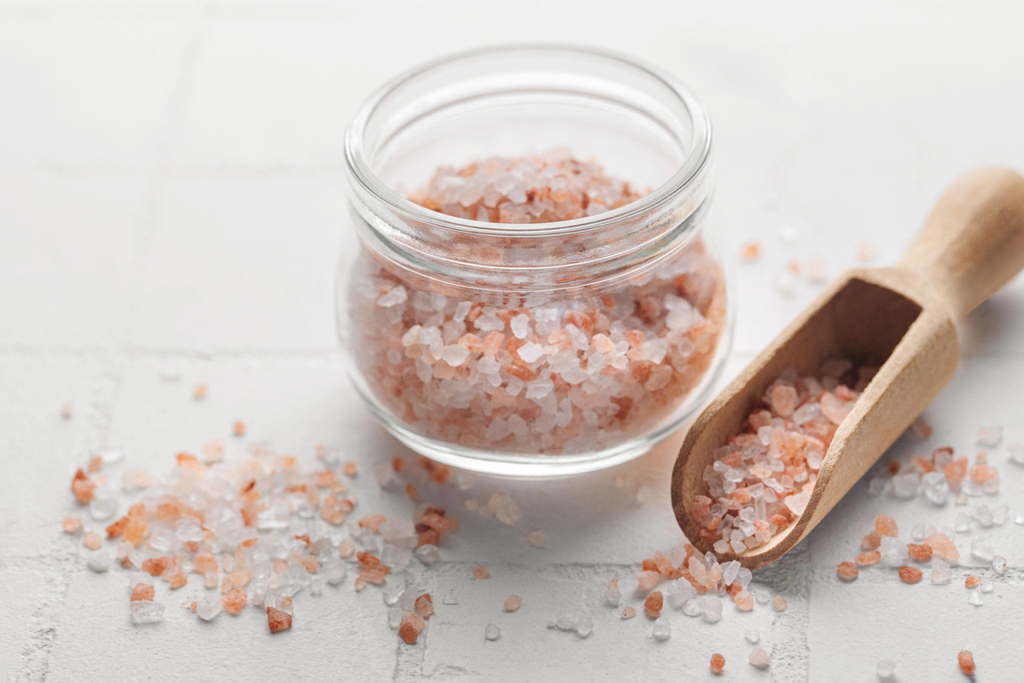
Himalayan Pink Salt is a rock salt primarily mined in Pakistan.
Its characteristic pink color comes from naturally occurring trace minerals, including iron-containing compounds.
It has become popular for its appearance, coarse crystals, and use in home cooking.
What makes it different?
It is commonly sold in coarse and fine varieties.
Its natural pink color makes it visually distinctive.
It contains small amounts of trace minerals.
It can be used in cooking, grinders, and finishing dishes.
Is Himalayan Pink Salt better than regular salt?
Despite its popularity, Himalayan Pink Salt has not been shown to provide significant health advantages over ordinary salt when consumed in typical dietary quantities.
Its sodium content is broadly comparable to that of other common salts.
Best for: People who prefer coarse grinding salt, attractive presentation, or a slightly different flavor experience.
5. What About Regular Iodized Table Salt?
Traditional table salt is often overlooked when discussing healthy salt options.
However, iodized table salt provides something many specialty salts do not: added iodine.
Iodine is an essential nutrient that helps your thyroid produce hormones responsible for regulating important bodily functions.
Many natural specialty salts, including non-iodized sea salts and Himalayan salts, provide little or no iodine.
Why might iodized salt matter?
- It is a convenient dietary source of iodine.
- It is widely available and affordable.
- Its fine texture makes it practical for everyday cooking.
- It supports adequate iodine intake when consumed as part of a balanced diet.
Best for: Households seeking a reliable source of iodine through their regular cooking salt.
Keep in mind that iodized salt still contains sodium and should be used in moderation.
6. Celtic vs. Redmond vs. Himalayan: Quick Comparison
Each type of salt has its own characteristics, but all contribute sodium to your diet.
Celtic Sea Salt
Known for its gray color, moist texture, and naturally occurring trace minerals. It is often preferred as a finishing salt.
Redmond Real Salt
An unrefined mineral salt sourced from Utah. Its subtle pinkish color and different grain sizes make it suitable for everyday cooking.
Himalayan Pink Salt
Recognized for its pink crystals and trace minerals. It is commonly used in salt grinders and for seasoning meals.
Iodized Table Salt
A widely available option that provides added iodine, an essential nutrient for normal thyroid function.
Which one should you choose?
The best choice depends on your cooking preferences, iodine needs, and overall dietary habits. Natural salts are not necessarily healthier than regular table salt.
Remember: Regardless of the type you choose, moderation in sodium consumption is important for maintaining a balanced diet.
7. How to Choose the Right Salt for Your Lifestyle
Rather than choosing salt based only on marketing claims, consider these practical factors.
Check the sodium content
Compare the Nutrition Facts labels of different products.
Sodium levels can vary by serving size and crystal size. A teaspoon of coarse salt may contain less sodium than a teaspoon of fine salt because the crystals pack differently.
Consider your iodine intake
If you rarely consume foods containing iodine, such as seafood, dairy products, or eggs, replacing all iodized salt with a non-iodized specialty salt may not be ideal.
Choose based on cooking preferences
Different salts offer different textures and flavor experiences.
You might prefer Celtic Sea Salt as a finishing salt, Redmond Real Salt for everyday cooking, or Himalayan Pink Salt in a grinder.
Focus on your overall eating habits
Reducing sodium from heavily processed foods and preparing meals with fresh ingredients can make a greater difference than switching from one type of salt to another.
Fresh herbs, garlic, citrus, and spices can also help create flavorful meals with less added salt.
8. Final Thoughts: Which Salt Is the Healthiest?
There is no single salt that is automatically the healthiest choice for everyone.
Celtic Sea Salt, Redmond Real Salt, and Himalayan Pink Salt each offer unique characteristics that may appeal to different cooking preferences.
However, their trace mineral content should not be confused with proven therapeutic benefits.
For many people, the most important considerations are sodium intake, adequate iodine, overall diet quality, and individual nutritional needs.
A healthier lifestyle is built through consistent daily choices—not through one special ingredient.
Discover More About Healthy Living in Orange County
At OC Healthy Living, we’re passionate about helping our community explore practical ways to build healthier everyday habits.
From nutrition education to balanced lifestyle choices, our goal is to make wellness information easier to understand and apply.
Explore more health and nutrition articles from OC Healthy Living.